About the Congress
History of the Congress
The first Congress in this series was held in Jerusalem in 1990, titled “Children and War.” The event focused on the psychological suffering caused by the persecution of Jewish children and their families during and after the Holocaust.
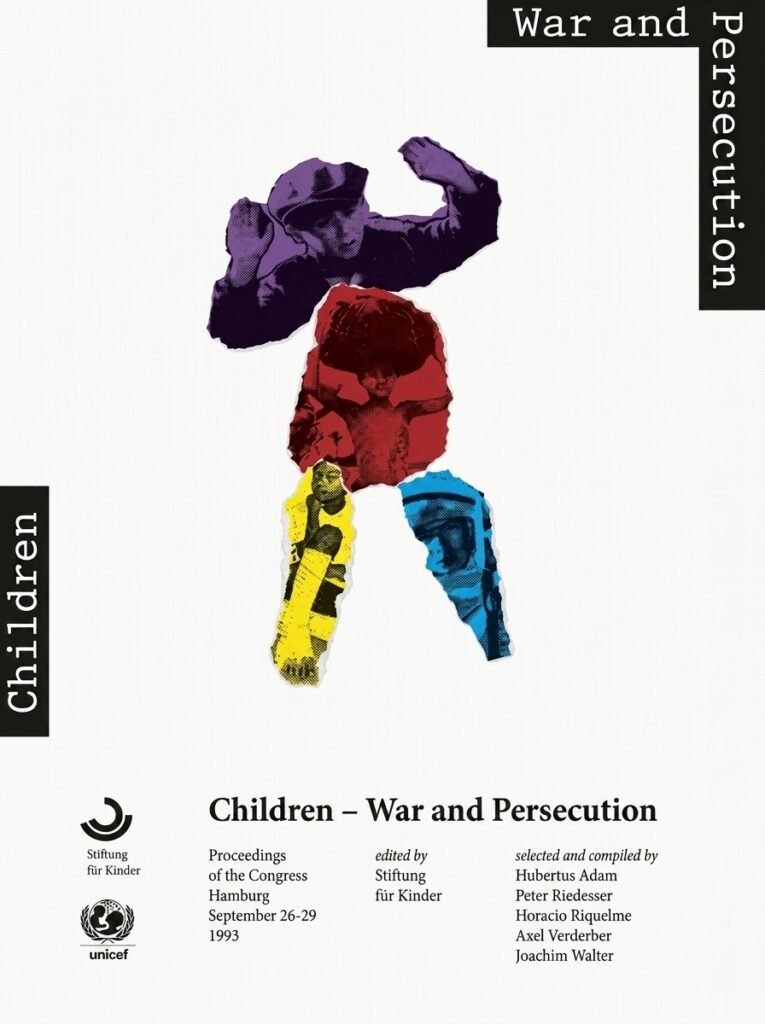
Three years later, in 1993, a second conference took place in Hamburg under the title “Children, War, and Persecution.” In addition to revisiting previously discussed themes—such as the pain and destruction inflicted upon Jewish children—the scope was broadened to include the psychological impact of military violence and political persecution in countries of the Global South, particularly in Latin America and Africa. Specific attention was given to the experiences of forced migration and exile among children and adolescents who sought refuge in cities like Hamburg.
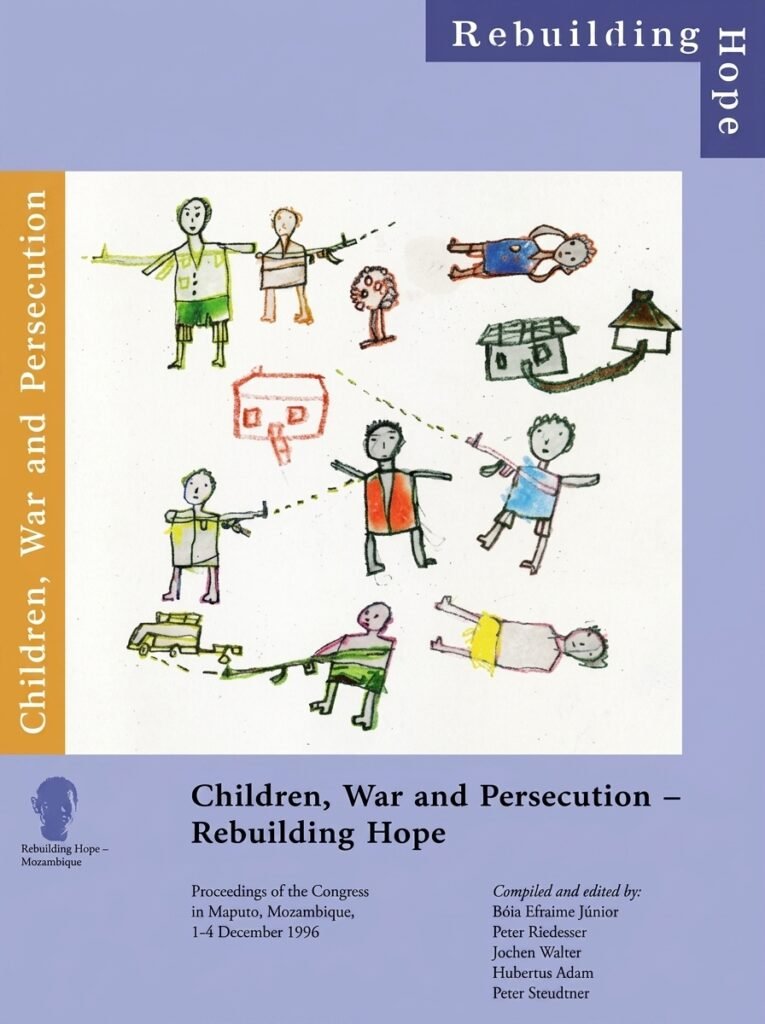
The third Congress was held in Maputo in 1996, titled “Children, War, and Persecution – Rebuilding Hope.” While maintaining the earlier thematic focus, the event introduced a new and urgent issue: the use of children as soldiers in various countries, including Mozambique. It was at this Congress that the Mozambican organization “Associação Reconstruindo a Esperança” (Rebuilding Hope Association) was founded; it is dedicated to the psychoanalytic treatment of former child soldiers and, more recently, to the care of children who have survived military violence in northern Mozambique. The gathering also marked the beginning of building a solid foundation for psychodynamic training in the country.
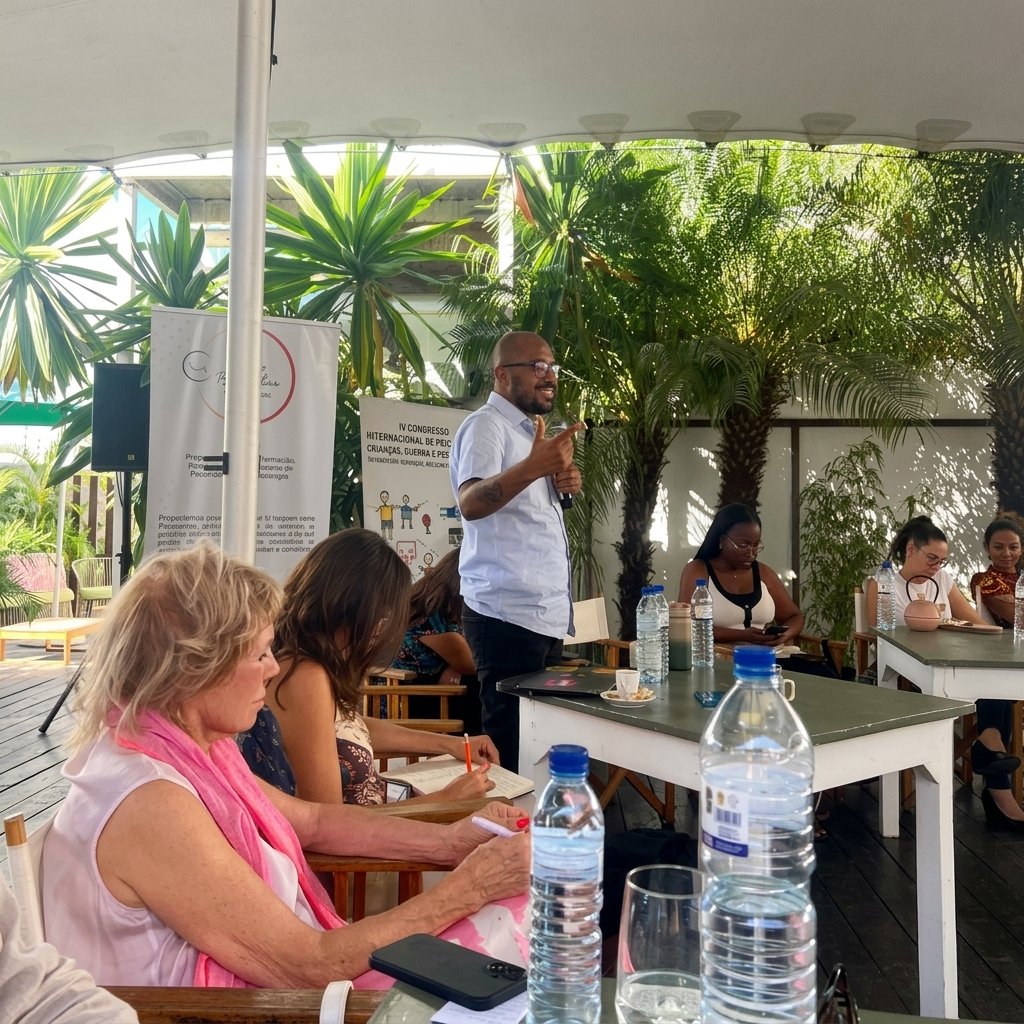
Thirty years later, the fourth Congress was once again hosted in Maputo, in 2026. The event aimed to revisit the themes of previous gatherings, now through critical perspectives from the Global South. It also served as a tribute to psychoanalyst Peter Riedesser (who passed away on September 19, 2008), whose dedication was instrumental in realizing the Hamburg and Maputo Congresses, as well as in working with refugee children in Hamburg and strengthening psychoanalysis and professional training in Mozambique and South Africa.
The 2026 Congress was preceded by an online pre-congress held on May 10, 2025.
1990 Congress
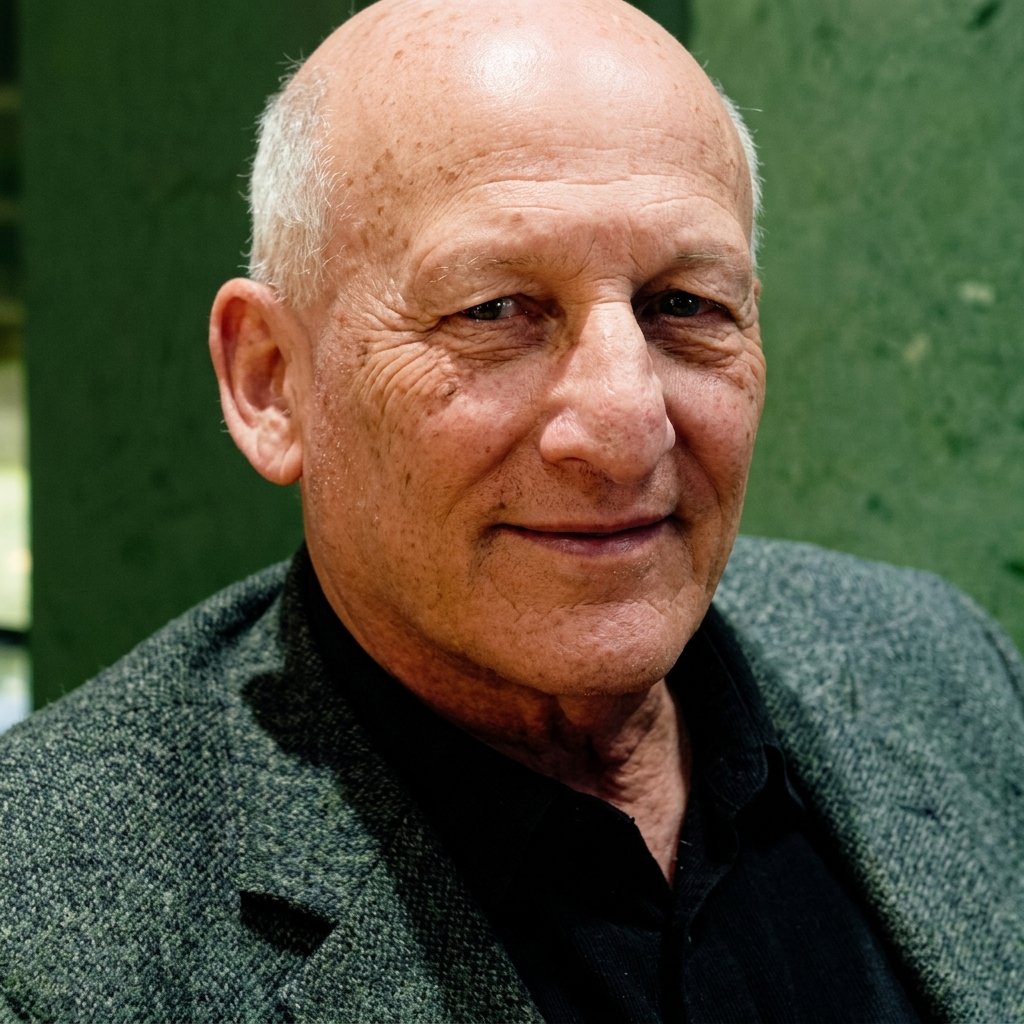
Professor Dan Bar-On taught in the Department of Behavioral Sciences at Ben-Gurion University of the Negev, Israel, and was one of the initiators of the First Children and War Congress.
1990 Congress
Professor Dan Bar-On taught in the Department of Behavioral Sciences at Ben-Gurion University of the Negev, Israel, and was one of the initiators of the First Children and War Congress.
II 1993 Congress
III 1996 Congress
Pre IV Congress 2026
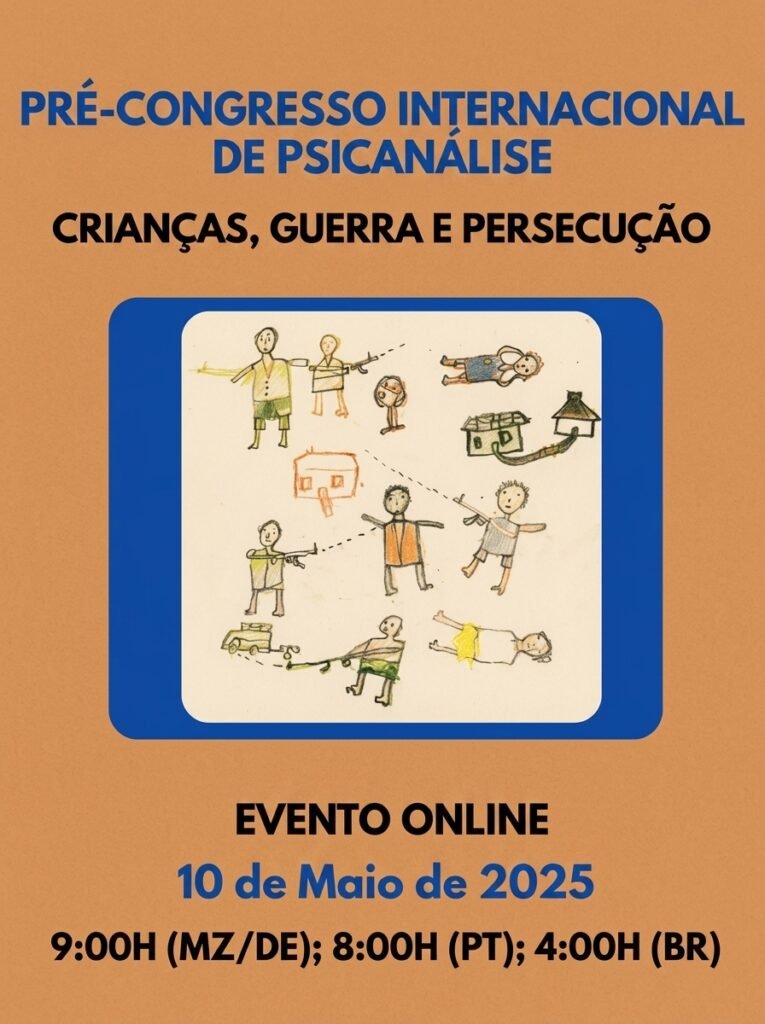
IV 2026 Congress
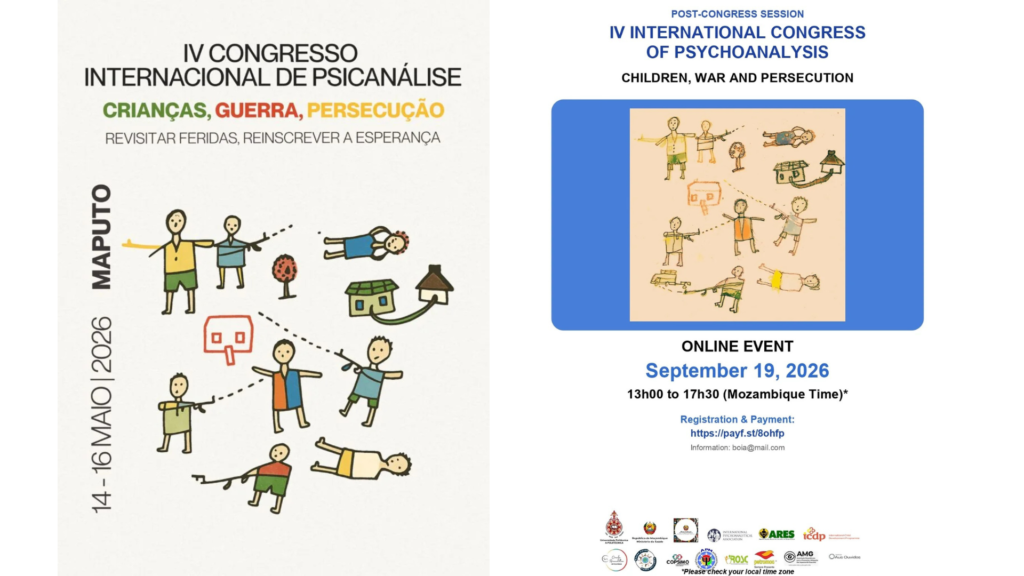
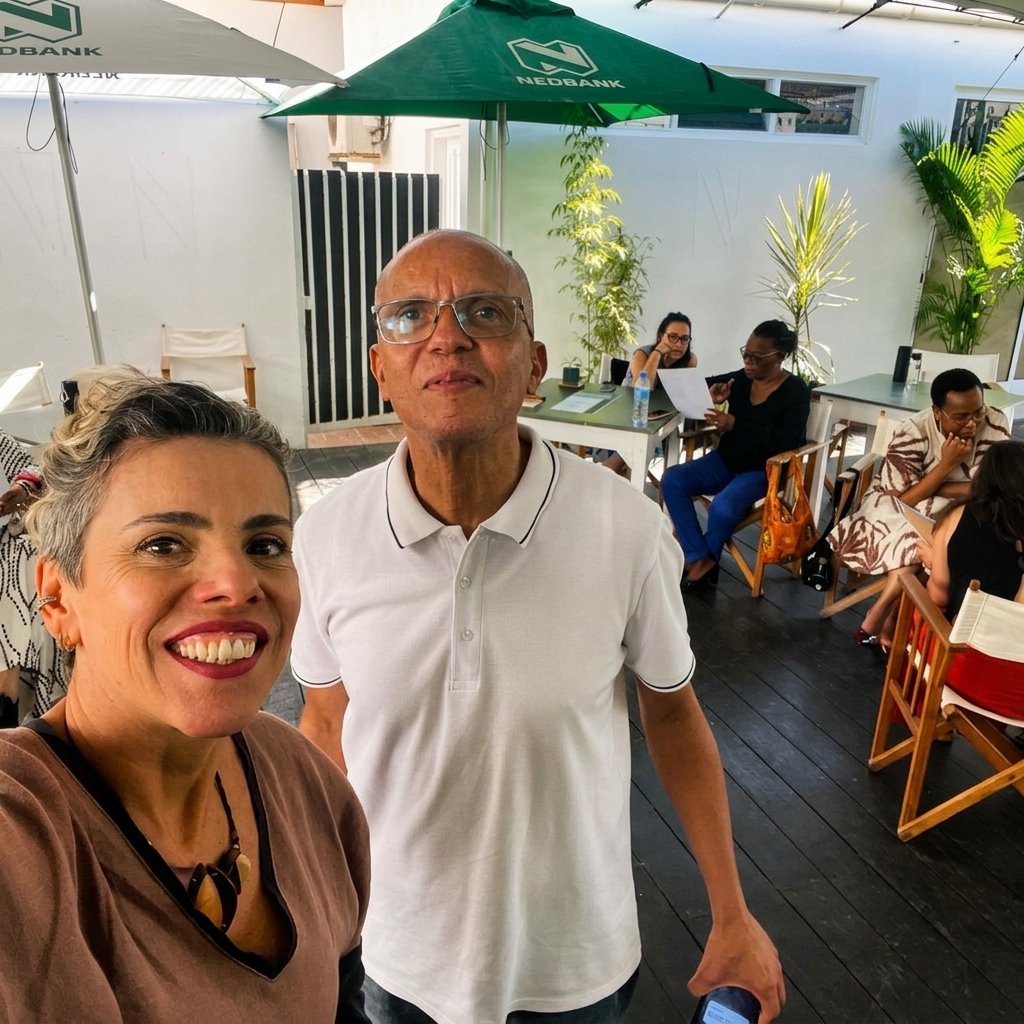
The IV International Psychoanalysis Congress brought together specialists from various countries in Maputo, united by a common commitment: to listen to and support the processing of psychological suffering among children and adolescents exposed to war, persecution, and other forms of organized violence. Over three days of intense scientific and clinical exchange, the congress fostered dialogue between psychoanalysis and other fields of knowledge, reaffirming the importance of primary prevention regarding violence inflicted on children, while also emphasizing the need—in cases where such prevention fails—to provide psychoanalytic listening for child survivors.
The presentations highlighted the diverse contexts in which children continue to be exposed to extreme violence. Special emphasis was placed on psychoanalytic work carried out in northern Mozambique with children and adolescents affected by armed conflict—young people who are lured into joining the ranks of non-state forces in the name of an Islamic jihad. Experiences of intervention in Gaza were shared, illustrating how play therapy has contributed to the care of child survivors of the war. Presentations addressed the suffering of children affected by the war in Ukraine and Russia, as well as that of refugee children worldwide fleeing war and persecution. Also discussed were the multiple forms of violence—such as those linked to drug trafficking, structural racism, poverty, and social exclusion—that affect children in countries across Africa, Asia, South America, and beyond.
Throughout the congress, a central question remained: “How can we alleviate the psychological suffering of these children, foster their social reintegration, and preserve their ability to hope for the future?” The goal is to seek pathways that allow for the psychological processing of traumatic experiences and the rebuilding of hope.
The congress was part of a scientific journey that began with various preparatory activities and continues through a series of post-congress sessions designed to delve deeper into the topics discussed, promote dialogue among participants, and strengthen the international cooperation network built around this initiative.
The scientific presentations will be made available here, alongside the Maputo Declaration—a document approved by the participants that summarizes the key commitments made during the congress. More than just a final document, the Declaration serves as a call to action to safeguard the protection, lives, and dignity of children, urging professionals, institutions, policymakers, and civil society to share responsibility in addressing the multiple forms of violence that continue to affect children.
The next meeting in the Post-Congress Session series will take place on September 29, 2026, continuing the humanitarian, scientific, and clinical commitment undertaken by the 4th International Psychoanalysis Congress: understanding suffering, rebuilding hope, and strengthening child protection in contexts of war, persecution, and organized violence.
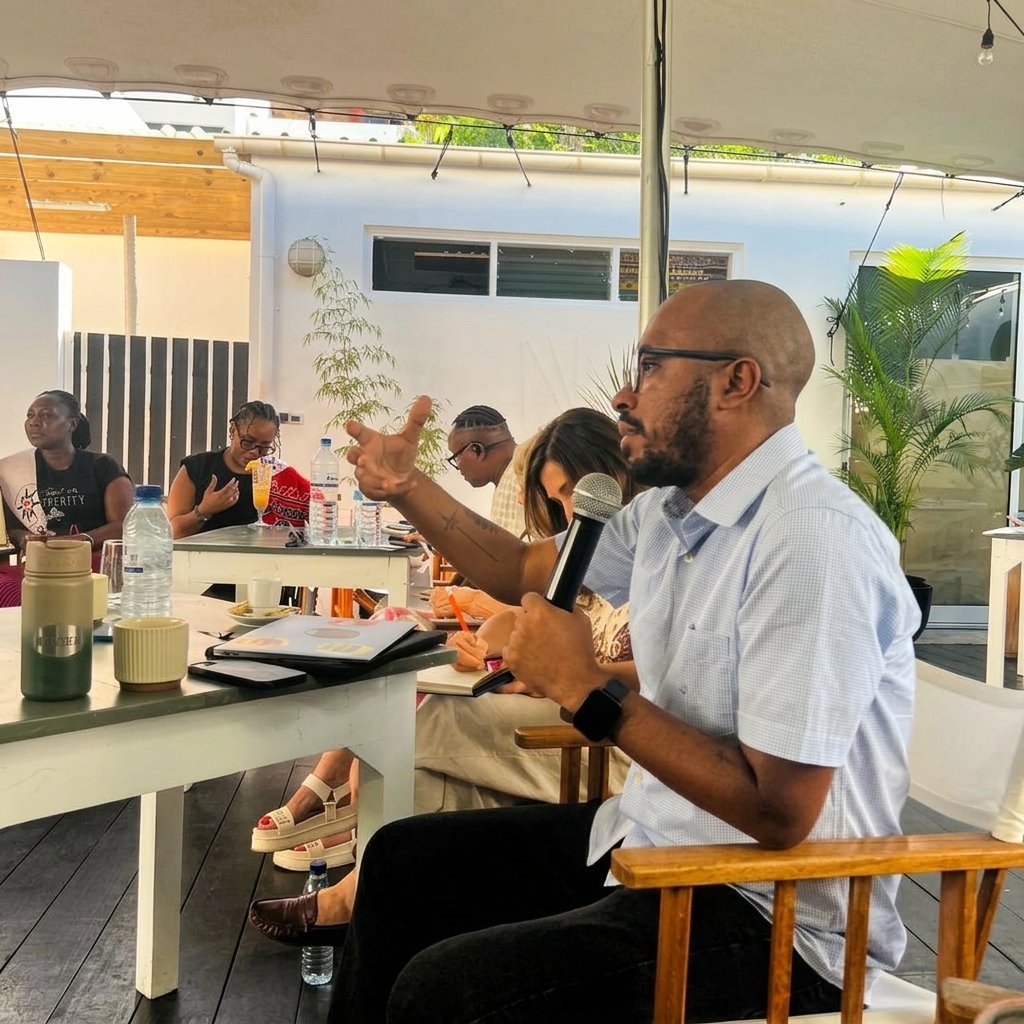
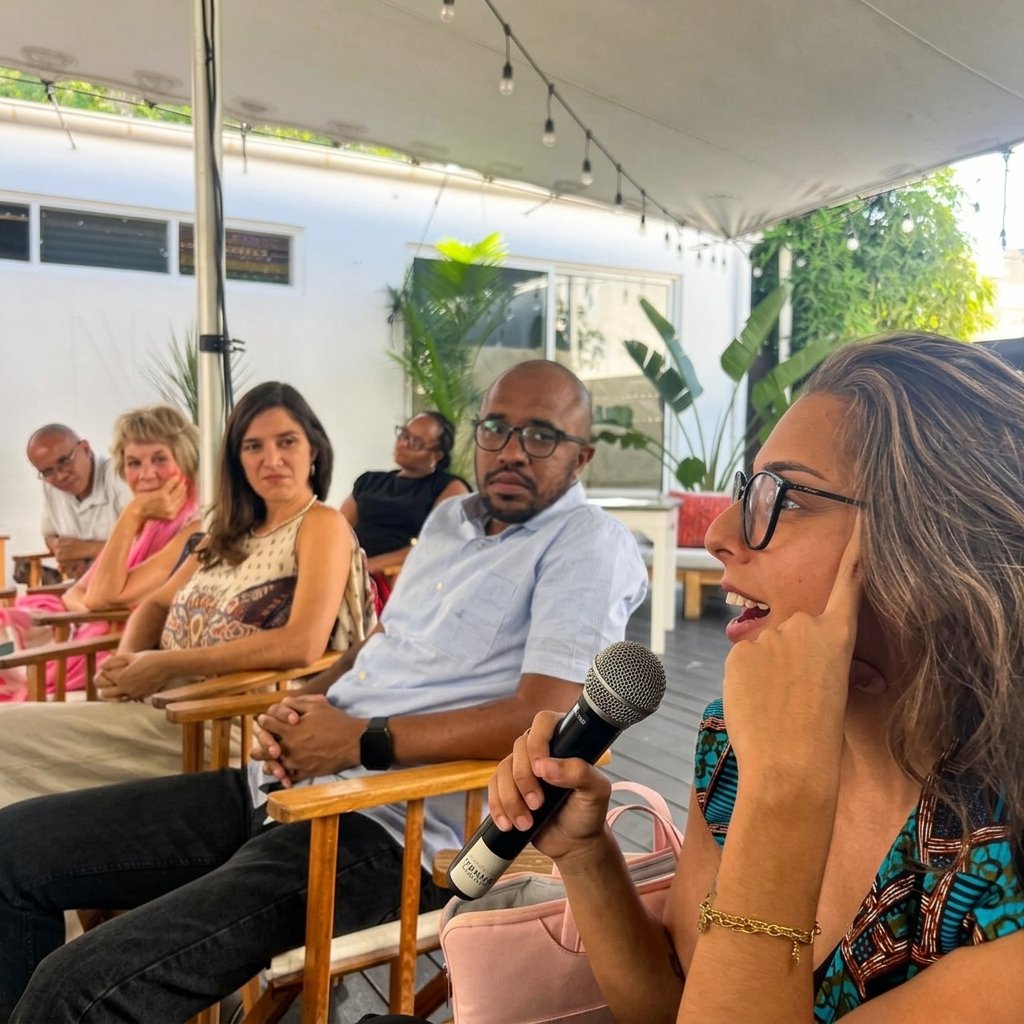
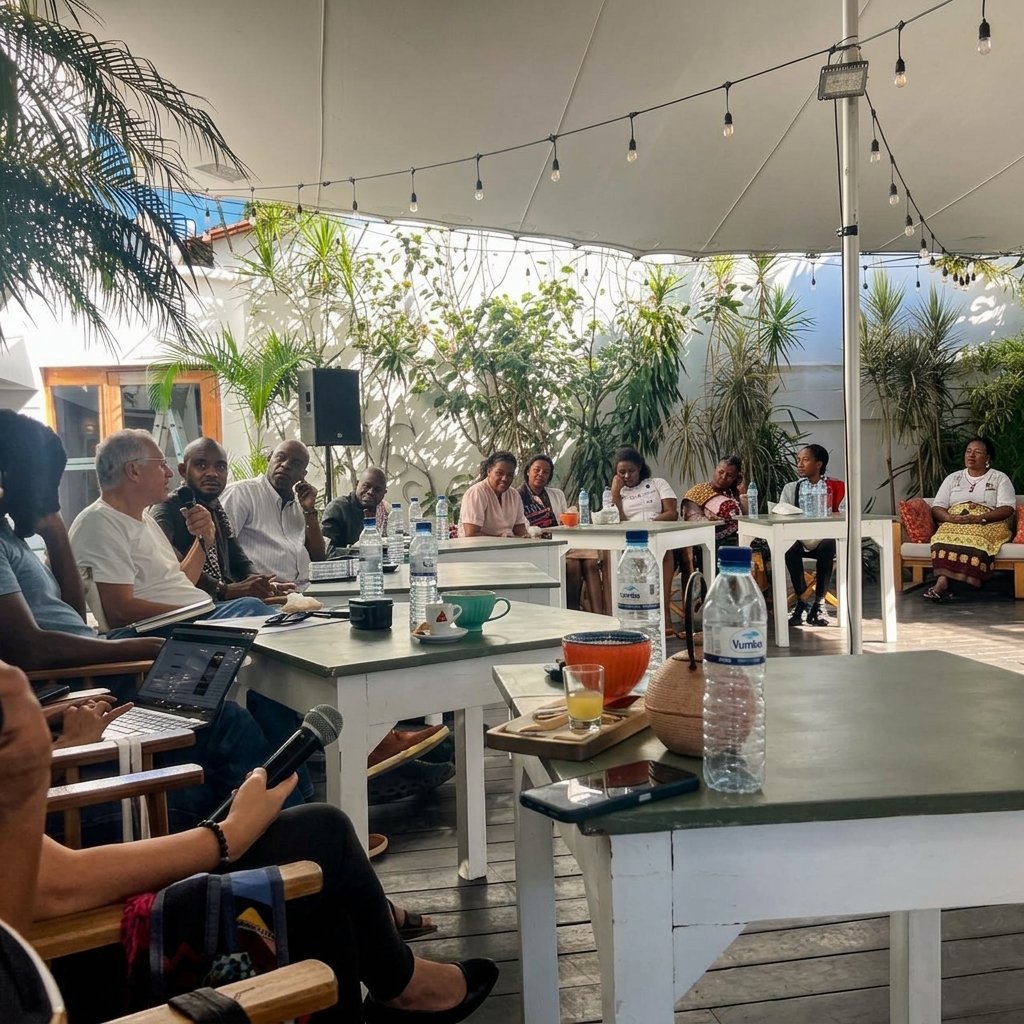
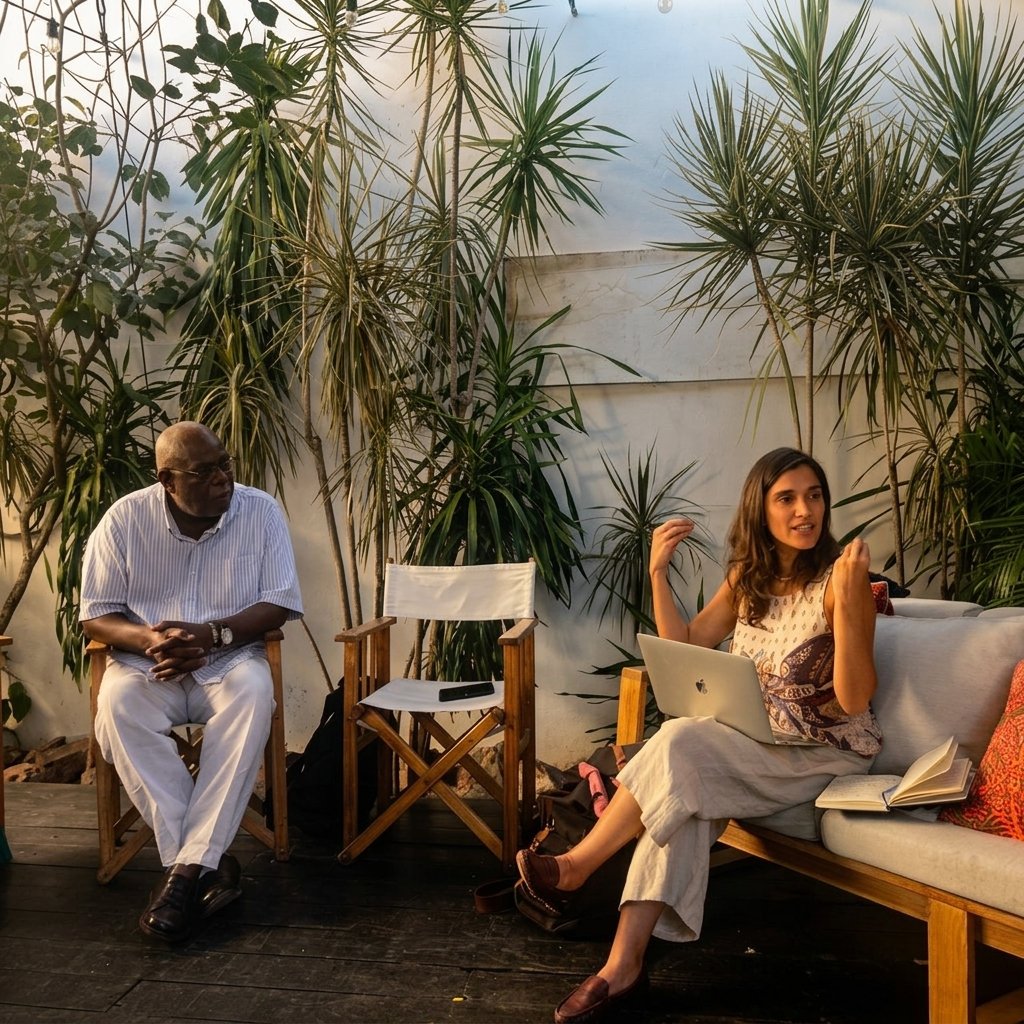
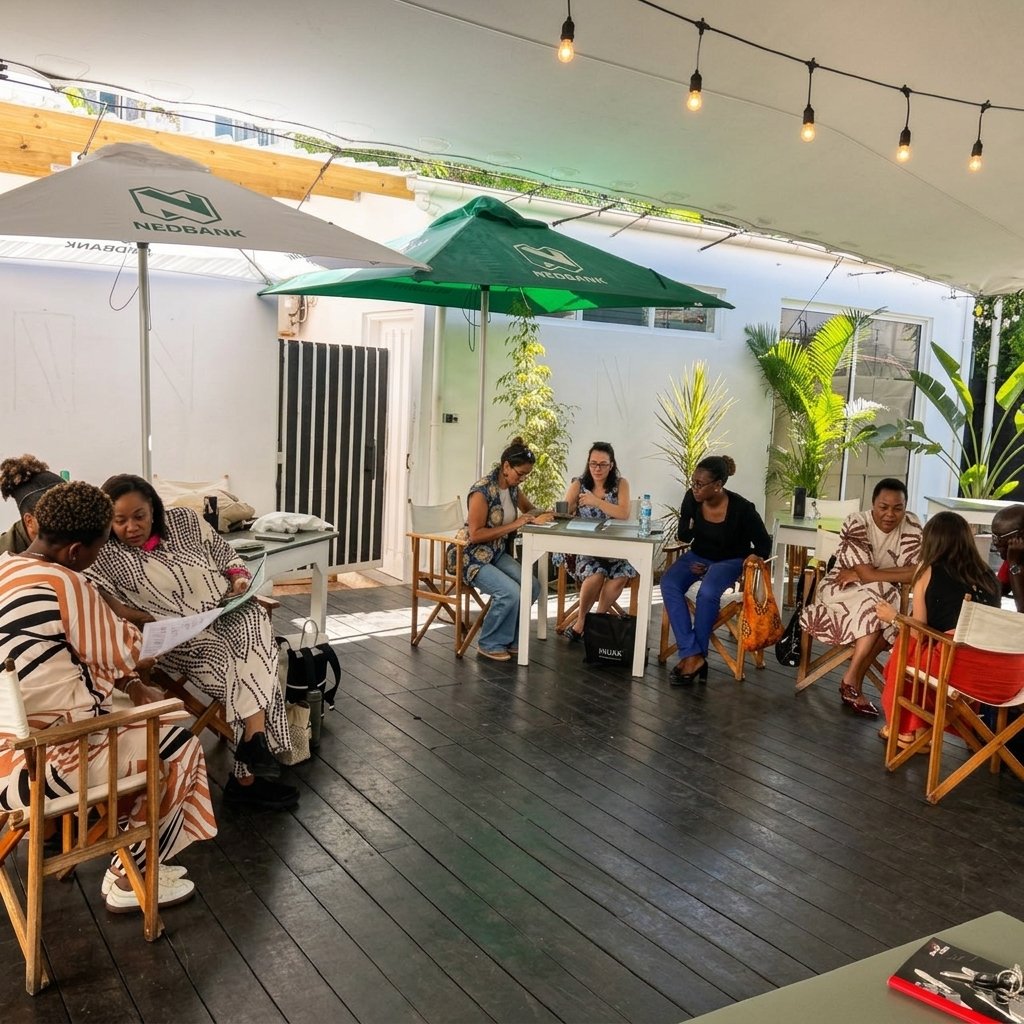
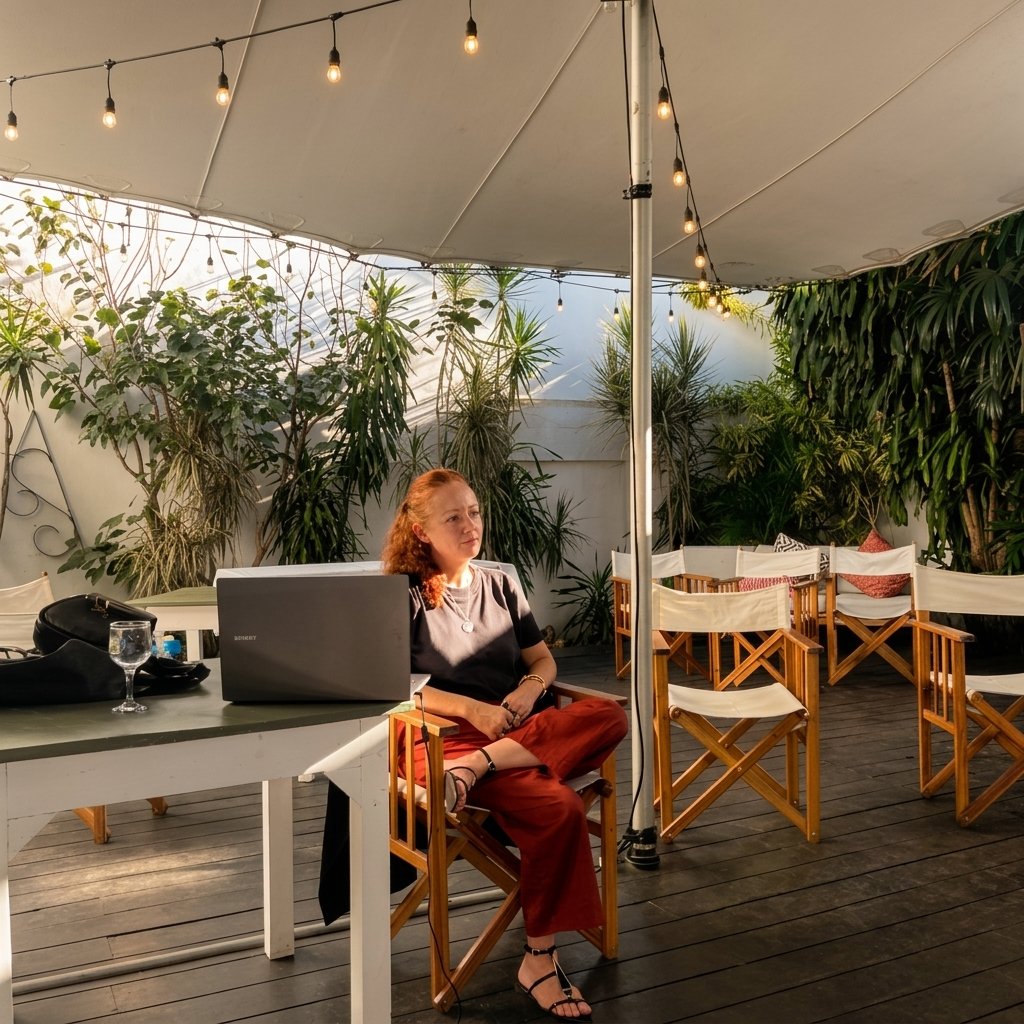
Photos from the congress are available here.
IV 2026 Congress
The IV International Psychoanalysis Congress brought together specialists from various countries in Maputo, united by a common commitment: to listen to and support the processing of psychological suffering among children and adolescents exposed to war, persecution, and other forms of organized violence. Over three days of intense scientific and clinical exchange, the congress fostered dialogue between psychoanalysis and other fields of knowledge, reaffirming the importance of primary prevention regarding violence inflicted on children, while also emphasizing the need—in cases where such prevention fails—to provide psychoanalytic listening for child survivors.
The presentations highlighted the diverse contexts in which children continue to be exposed to extreme violence. Special emphasis was placed on psychoanalytic work carried out in northern Mozambique with children and adolescents affected by armed conflict—young people who are lured into joining the ranks of non-state forces in the name of an Islamic jihad. Experiences of intervention in Gaza were shared, illustrating how play therapy has contributed to the care of child survivors of the war. Presentations addressed the suffering of children affected by the war in Ukraine and Russia, as well as that of refugee children worldwide fleeing war and persecution. Also discussed were the multiple forms of violence—such as those linked to drug trafficking, structural racism, poverty, and social exclusion—that affect children in countries across Africa, Asia, South America, and beyond.
Throughout the congress, a central question remained: “How can we alleviate the psychological suffering of these children, foster their social reintegration, and preserve their ability to hope for the future?” The goal is to seek pathways that allow for the psychological processing of traumatic experiences and the rebuilding of hope.
The congress was part of a scientific journey that began with various preparatory activities and continues through a series of post-congress sessions designed to delve deeper into the topics discussed, promote dialogue among participants, and strengthen the international cooperation network built around this initiative.
The scientific presentations will be made available here, alongside the Maputo Declaration—a document approved by the participants that summarizes the key commitments made during the congress. More than just a final document, the Declaration serves as a call to action to safeguard the protection, lives, and dignity of children, urging professionals, institutions, policymakers, and civil society to share responsibility in addressing the multiple forms of violence that continue to affect children.
The next meeting in the Post-Congress Session series will take place on September 29, 2026, continuing the humanitarian, scientific, and clinical commitment undertaken by the 4th International Psychoanalysis Congress: understanding suffering, rebuilding hope, and strengthening child protection in contexts of war, persecution, and organized violence.
Photos from the congress are available here.
Organization
Scientific Committee
Bóia Efraime Jr., Mozambique (President)
Afonso Benfica, Mozambique
Alexandra de Mello, Mozambique
Antónia Fernandes, Portugal
Augusto Guambe, Mozambique
Belchior Canivete, Mozambique
Christina Haberling, Switzerland
Cláudia Ribeiro Martins, Brazil
Denise Abreu, Brazil
Edson Saggese, Brazil
Fazila Rebelo, Mozambique
Gregor Busslinger, Switzerland
Hubertus Adam, Germany
Ieda Prates, Brazil
Ignácio Paim, Brazil
Inajara Amaral, Brazil
Joaquim Walter, Germany
Jorge Cassicasse, Mozambique
Josiane Barbosa, Brazil
Kátia Paim, Mozambique
Kingsley Arinze, Nigeria
Luísa Branco Vicente, Portugal
Marianne Rauwald, Germany
Marisa Ramos, Mozambique
Mónica Cardenal, Argentina
Narciso Faduco, Mozambique
Omar Branco, Colombia
Rosmarie Barwinski, Switzerland
Sandra Torossian, Brazil
Sheila Melzak, United Kingdom
Yumna Yussuf, Mozambique
Organizing Committee
Fernanda Teixeira (President)
Afonso Benfica, Mozambique
Andreia Marina, Mozambique
Augusto Guambe, Mozambique
Azarias Castomo, Mozambique
Bóia Efraime Júnior, Mozambique
Carlos Manjate, Mozambique
Cláudia Ribeiro Martins, Brazil
Dorotéia Chipande, Mozambique
Elizabeth Gomes, Mozambique
Jorge Cassicasse, Mozambique
Kenia Peres, Brazil
Marisa Ramos, Mozambique
Narciso Faduco, Mozambique
Plínio Langacitela, Mozambique
Partner Institutions
Supporting Partners

Post-Congress
September 19, 2026
Online event
From 1:00 PM to 5:30 PM (Mozambique time)
Doubts: congress@criancaguerrapersecucao.com
©2026 Developed by L94 Design