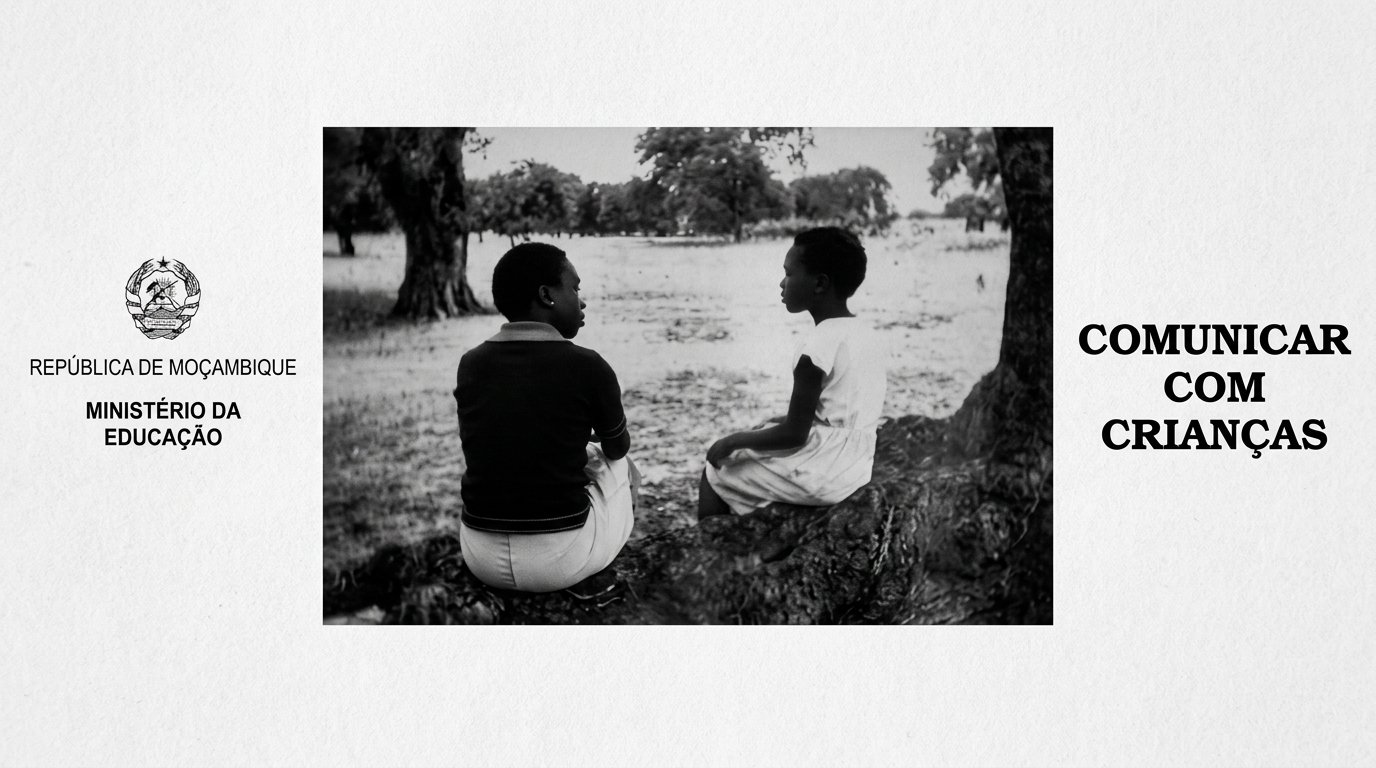
Have you ever tried to talk to a child and felt like you were not really reaching their heart? Or perhaps you have witnessed moments when little ones close themselves off, display aggressive behavior, or struggle to express what they feel during challenging situations and daily struggles?
Communicating with children—especially those going through delicate situations, major transitions, or trauma—requires much more than just talking. It demands empathy, active listening, and building a bridge of genuine trust.
To guide educators, parents, social workers, and child care professionals, the Ministry of Education (in partnership with the Save the Children Fund) developed the essential manual “Communicating with Children”.
Below, we highlight 4 fundamental pillars extracted from this indispensable resource:
1. The Power of Attentive and Non-Verbal Listening
Too often, adults rush to educate or advise, taking over the conversation and leaving no space for the child to express themselves. Being a good listener means:
- Getting down to eye level: Sitting at the same height as the child conveys warmth and reduces hierarchical distance.
- Welcoming non-verbal cues: A gentle tone of voice, an attentive gaze, and empathetic gestures communicate safety before a single word is spoken.
- Accepting without judgment: Avoid criticizing, arguing, or humiliating. Children need to know their emotions are valid.
2. The Art of Asking the Right Questions
Closed-ended questions (which can be answered with a simple “yes” or “no”) tend to stall the conversation or lead children to say what they think the adult wants to hear.
- Prefer open-ended questions: Instead of asking “Do you like it here?”, try asking “How are things going for you here?”.
- Use drawing and play: For children who struggle to express themselves verbally, drawing and imagination are powerful tools to uncover feelings and memories without pressure.
3. Avoid False Promises
When facing a child’s suffering, our first instinct is often to reassure them by saying “everything will be fine soon”. However, the guide warns that unrealistic promises can break trust and make the child feel their pain is not being taken seriously. True emotional support acknowledges real distress and offers genuine presence alongside practical, concrete advice at the right time.
4. Understanding Communication Blocks and “Lies”
When a child lies or refuses to speak, it is rarely out of stubbornness. It is usually a defense mechanism against trauma, fear of punishment, a desire to please, or shame. Recognizing these barriers is the first step toward creating a safe environment where truth can flow without fear.
📖 Want to master all the techniques for supporting children’s emotional development?
This is only a brief overview of the practical insights found in the manual “Communicating with Children”. Inside the complete ebook, you will find real-life case examples, guidance for preschool-aged children, follow-up strategies, and step-by-step frameworks for conducting meaningful conversations.
👉 CLICK HERE TO READ THE FULL EBOOK “COMMUNICATING WITH CHILDREN” Manual – Comunicar com Criança.pdf and learn how to become the safe haven and trusted confidant every child needs!