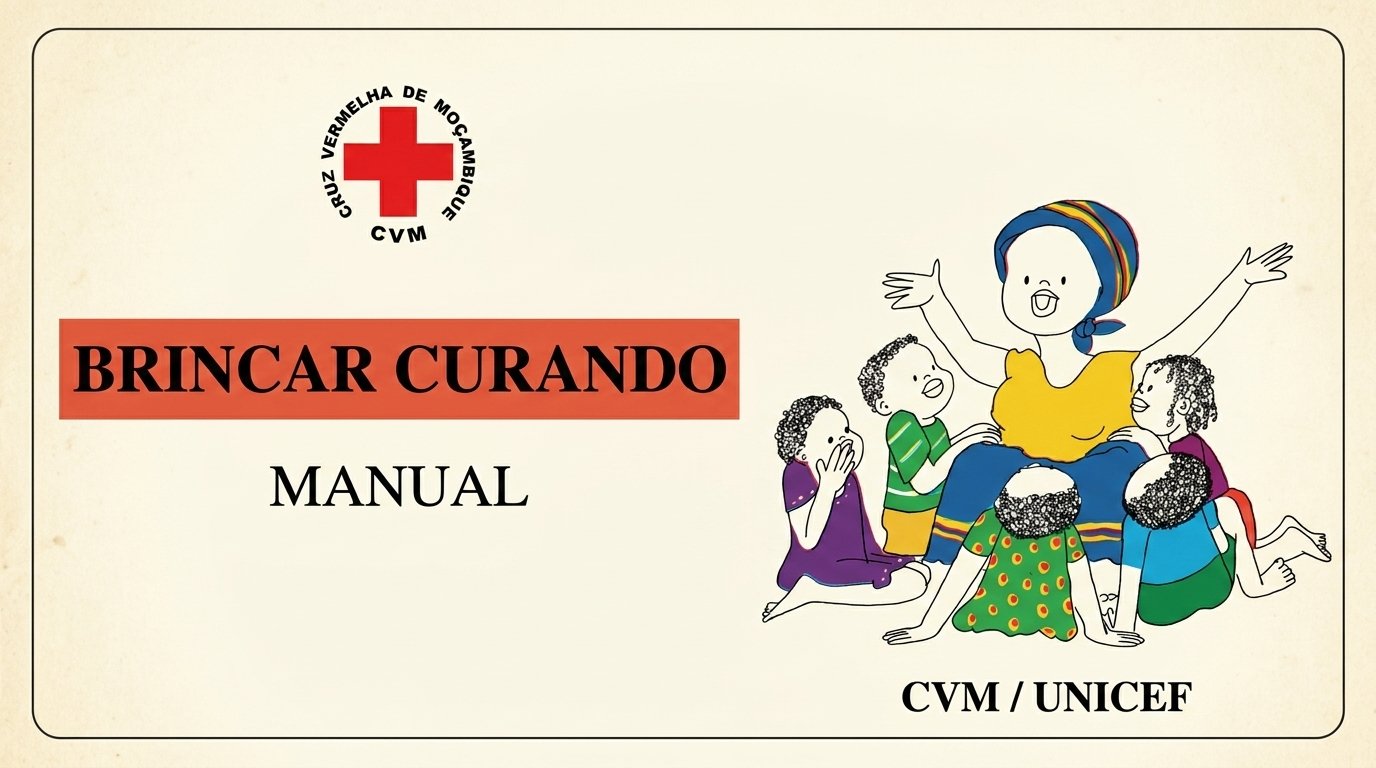
When we think about a child’s emotional suffering, we often search for complex answers or specialized treatments far removed from their daily reality. However, there is a universal and deeply therapeutic language that every child masters from birth: play.
Children affected by traumatic events—such as loss, extreme stress, conflict, or major disruptions in family and community life—often express their feelings in subtle ways. Symptoms such as frequent crying, headaches without physical cause, sleep disturbances, intense fears, social isolation, or sudden aggression are often the body’s and mind’s warning signs indicating that a child needs special attention and care.
How can parents, educators, volunteers, and community leaders step in with practical, compassionate, and culturally respectful support?
Bridging Community Wisdom and Psychology
In the classic manual “Brincar Curando” (Play to Heal), created by the Mozambique Red Cross Society (CVM) in partnership with UNICEF, a deeply humanized perspective emerges on how traditional cultures and modern psychology view children’s emotional distress.
The manual highlights that restoring childhood does not require unattainable resources, but rather focused attention, warmth, and targeted play activities:
- Listening with Affection and Patience: The first step in supporting a suffering child is creating a safe environment where they feel heard and protected, free from harsh judgment or unfair punishment.
- Age-Appropriate Play: Play is not merely distraction; it allows children to process complex emotions, safely recreate reality, release accumulated tension, and foster cooperation and empathy.
- Respecting Local Values and Traditions: Sustainable healing occurs when psychological knowledge walks hand in hand with the cultural heritage, stories, and traditional practices of each community.
What Will You Find in the “Play to Heal” Guide?
This ebook provides a practical, accessible roadmap for anyone living or working with vulnerable children affected by stress or trauma:
- The Role of Activists and Families: Guidance on mediating conflicts, communicating effectively with parents, and fostering child development with sensitivity and common sense..
- Understanding Symptoms: Discover the emotional and psychological origins behind common distress signals like headaches, heart palpitations, nightmares, and bedwetting.
- Games & Activities by Age Group: Practical suggestions for play, stories, and creative exercises designed specifically for age ranges 0–3, 3–6, and 6–14 years.
Ready to Transform Play into a Tool for Healing?
Whether you are an educator, psychologist, volunteer, or parent wishing to better understand children’s emotional needs to help them overcome trauma and fear, this resource is essential.
👉 Click here to read and download the complete “Play to Heal” Ebook (PDF) and learn practical strategies to bring back smiles and peace to children’s lives!