Category: Education & Social Inclusion / Pedagogical Practices
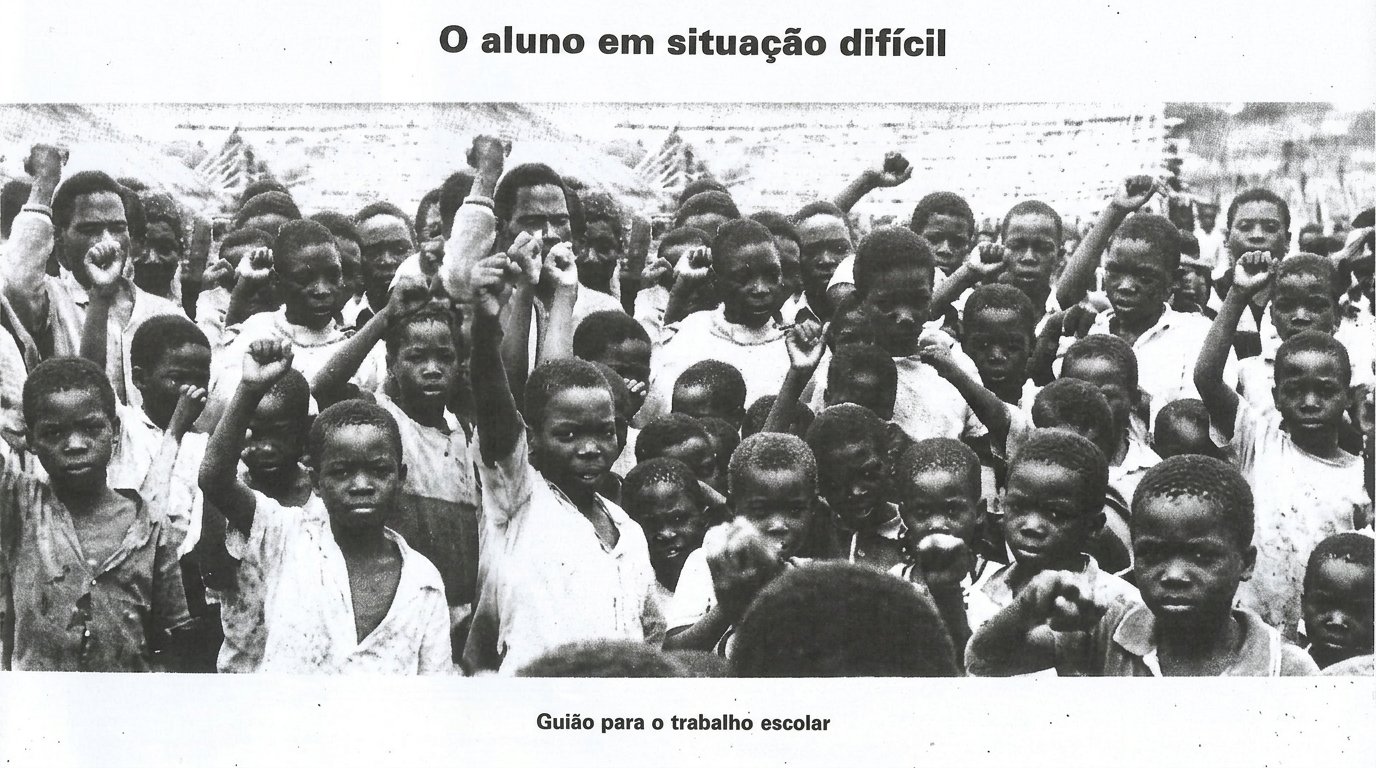
As an educator, have you ever encountered a student who seems deeply disengaged, aggressive, withdrawn, or easily startled by loud noises? Too often, in the bustle of the school day, these behaviors are labeled as bad discipline, a lack of boundaries, or insubordination. However, behind these reactions, there is frequently a child carrying invisible trauma.
The impact of severe hardship—whether caused by armed conflict, natural disasters, extreme poverty, hunger, or the loss of loved ones—leaves profound scars on a student’s emotional, physical, and cognitive development. In such contexts, school ceases to be just a place for standard academic instruction and becomes a crucial anchor for restoring human dignity and hope.
Understanding the Issue: Who Is the “Student Facing Hardship”?
The term refers to children and youth whose daily lives, routines, and family structures have been severely disrupted by hardship. Many have experienced painful loss, displacement, hunger, or exposure to violence.
These experiences manifest in the classroom through clear physical and behavioral indicators that every teacher and school leader should know how to identify:
- Emotional and Behavioral Signs: Unexplained aggression, extreme anxiety, social isolation, frequent crying, deep mistrust, and general apathy.
- Physical Signs: Malnutrition, severe exhaustion, trembling, startle responses, and physiological distress.
- Learning Difficulties: Inability to concentrate, recurring nightmares affecting sleep, and withdrawal during group activities.
Pedagogical Insight: Before any academic learning can take place, a teacher’s first and most critical step is to understand the student’s background and offer a compassionate, supportive environment.
The Teacher’s Transformative Role in a Child’s Recovery
Beyond delivering standard curriculum content, educators working with vulnerable children act as essential facilitators for emotional healing and social reintegration. The guide highlights practical strategies that can be integrated into classroom routines:
- Creative and Playful Outlets:Traumatized children often struggle to put their pain into words. Activities such as drawing, clay modeling, drama, story writing, music, and dance act as safe bridges for students to express feelings, process difficult memories, and rebuild optimism for the future.
- Strengthening Support Networks (Family & Community):Schools cannot work in isolation. Partnering with families, community leaders, and social care organizations is essential to build a protective and nurturing ecosystem around the child.
- Addressing Health, Hygiene, and Basic Needs:Effective learning cannot occur when basic physical needs remain unmet. Promoting hygiene habits and supporting community-based nutrition initiatives (such as school gardens) are foundational steps toward restoring student well-being.
Download the Free Ebook & Expand Your Teaching Toolkit!
Want to learn how to structure classroom programs, apply playful coping activities, and implement official educational guidelines for working with vulnerable students?
We have prepared a comprehensive guide packed with practical insights on child development, health, civic education, and expressive teaching methods.
👉 CLICK HERE TO READ THE FULL EBOOK: “STUDENTS FACING HARDSHIP”